Updated July 2026. Weights and prices pulled from supplier listings we stock.
Every aftermarket truck bumper starts with one choice: steel or aluminum. The metal determines the load on your front axle, and it shapes how the bumper takes a hit, what a repair costs, and what you pay at checkout. We stock both metals and ship both every business day. Here is the straight answer, with weights and prices pulled from the listings we sell.
The Short Answer
Buy steel if your truck takes hits. Deer country, brush, gravel, job sites: steel bends instead of breaking, any welding shop can fix it, and it costs less up front. Buy aluminum if you count pounds. It runs about half the weight of the same steel design, shrugs off rust, and leaves your payload alone.
Steel outsells aluminum several to one in our orders, and for a working truck it is the right default. Aluminum earns its higher price in two cases: a diesel nose already sitting near its payload ceiling (payload is the total weight the truck is rated to carry), and winters full of road salt. The rest of this guide shows where each metal wins, with the numbers behind each call.
Steel vs Aluminum at a Glance
| What matters | Steel | Aluminum |
|---|---|---|
| Front bumper weight | 80-150 lb on 1500-class trucks, 200-400 lb on HD | Roughly 50-146 lb across the lines we stock |
| Construction | 10-gauge to 3/16 in. plate, welded tube | 5052 or 6061 alloy plate, 3/16 in. up to 1/2 in. channel |
| Impact behavior | Bends and dents, takes repeat hits | Stiff for its weight, built thicker to compensate |
| Corrosion | Coating protects it, rust starts where coating breaks | No red rust, bare metal seals itself |
| Repair | Any welding shop can straighten and re-weld | Needs a shop that welds aluminum |
| Price in our catalog | About $1,100 to $3,900 for front bumpers | About $1,350 to $3,000 for front bumpers |
| Winch mounting | Standard across HD steel lines | Available on winch-rated aluminum designs |
| Payload effect | The heaviest thing you can bolt to the nose | Hands 100 to 250 lb back to the truck |
Every number here comes off the supplier listings we stock or the maker's published specs. The sections below name the source for each figure. Two reading notes: with steel, a lower gauge number means thicker metal, so 6-gauge is thicker than 10-gauge, with plate like 3/16 in. thicker still; 5052 and 6061 are structural aluminum grades. Check the product page for your exact year and trim.
Skip ahead. Jump to what matters most:
How Much Lighter Is an Aluminum Bumper?
About half the weight of the same steel design. Steelcraft builds its Elevation front bumper in both metals, so the comparison is same-design. The steel version runs 234 to 300 lb by fitment, per Steelcraft's specs, while the AL60 aluminum version of the same design runs 128 to 146 lb. Same guard, same look, half the load on your front suspension.
The gap holds across the aluminum lines we stock. ICI lists its Alumilite front bumpers at under 50 lb, against 120 to 130 lb for close steel designs. Ali Arc's finished aluminum front bumpers run 80 to 110 lb, while steel bumpers for the same HD trucks run 200 to 300 lb and up.
The payoff is payload, and every pound of bumper comes out of that number. Swap a 300 lb steel front for a 130 lb aluminum one, and the truck gets 170 lb of rated capacity back. On a diesel HD pickup, the engine already loads the front axle hard, so the lighter nose also spares the springs. Owners on Tundra and Raptor forums name this exact win, no front-end sag and no leveling kit, as the reason they paid the aluminum price.

Verdict: aluminum, and it is not close. If bumper weight is your deciding factor, the decision is made.
Which Takes a Hit Better?
At the same thickness, steel is the stronger metal. That is exactly why nobody builds aluminum bumpers at steel thickness. Aluminum makers add material to close the gap: ICI's Alumilite uses 3/16 in. plate in 5052 alloy, and Ali Arc runs extruded 6061 with a channel up to 1/2 in. thick on its Sentinel line. Both grades serve in boat hulls and equipment decks; this is not soft sheet metal.
The two metals also fail in different ways. Steel bends, folds, and soaks up repeat abuse. A steel front bumper that taps a loading dock twice a month just collects character. Aluminum is stiff for its weight and brushes off small dents, but a hard enough hit tends to crack it where steel would fold. Built right, aluminum still takes the big one: Ali Arc documents a 1,100 lb moose strike at 55 mph held by one of its commercial-truck bumpers, and Ali Arc says its pickup line comes from the same commercial construction.
So split the question in two: contact every week favors steel. A once-in-a-decade deer or moose strike is survivable in either metal when the design is rated for it.
Verdict: steel for a truck that earns dents on schedule, engineered aluminum for everything short of that.
Which Wins on Rust?
Aluminum, outright. Bare aluminum seals itself under a thin oxide layer instead of rusting, so a rock chip on an aluminum alloy bumper stays a cosmetic mark. Steelcraft says it plainly about its own Elevation AL60 line: it does not rust from the inside out.
Steel fights the same battle with coatings, and the better steel lines layer the defense. Steelcraft brought e-coating into its bumper line early, a dipped base coat under the powder coat, and that two-stage finish performs well. The weak point is the break: chip a coated steel bumper down to bare metal, and corrosion starts to creep under the finish until you touch it up.
The clearest proof sits in one maker's own warranty schedule. ICI backs the finish on its aluminum line for 2 years, while the finish on its steel line gets 90 days. That gap is the substrate talking.
Verdict: aluminum in the salt belt and on the coast. Coated steel holds its own in dry states when you stay ahead of the chips.
What Do Steel and Aluminum Bumpers Cost?
Steel buys more protection per dollar on the sticker. In our catalog, steel front bumpers start near $1,099 for a Steelcraft Fortis and run to about $3,900 for full-guard HD winch front bumpers. The aluminum lines run $1,350 to $3,005, and ICI's Alumilite averages near $2,200 per ICI's published range. Raw aluminum costs more per pound than steel and takes specialized welding to build, and the price tag carries both.
Ownership pulls the other way. An aluminum bumper takes rust repair off the list, keeps its finish longer under chips, and carries the maker's longer finish warranty. A steel bumper in a salt state wants touch-up work every season. Neither metal moves your fuel bill enough to count, more on that in the FAQ below.
Verdict: steel wins the sticker. Aluminum narrows the gap over years of ownership, fastest where roads get salted.
What Happens After a Hit? Repairs Compared
Steel is the metal you can fix in any town. A bent steel bumper comes off, gets straightened and re-welded at any welding shop, takes fresh coat, and goes back on. Parts of the aftermarket run on that cycle, and it is a real cost edge after a deer strike.
Aluminum repair is a specialist job. It calls for TIG welding, a precision process for aluminum and thin metals, plus a shop experienced with structural aluminum, and those shops are common in metro areas and scarce in small towns. A cracked aluminum section is often cut out and re-welded, not straightened, and the invoice runs higher than the same repair in steel.
One point in aluminum's favor: its stiffness means parking-lot taps that would dimple a thin steel skin often leave an engineered aluminum face clean.
Verdict: steel. If fix-it-anywhere matters to you, this section decides your metal.
Do Winches and Sensors Care About the Metal?
Less than you would think, because the mounting structure and the design carry the load, not the face metal. Both metals come in winch-ready and sensor-ready builds.
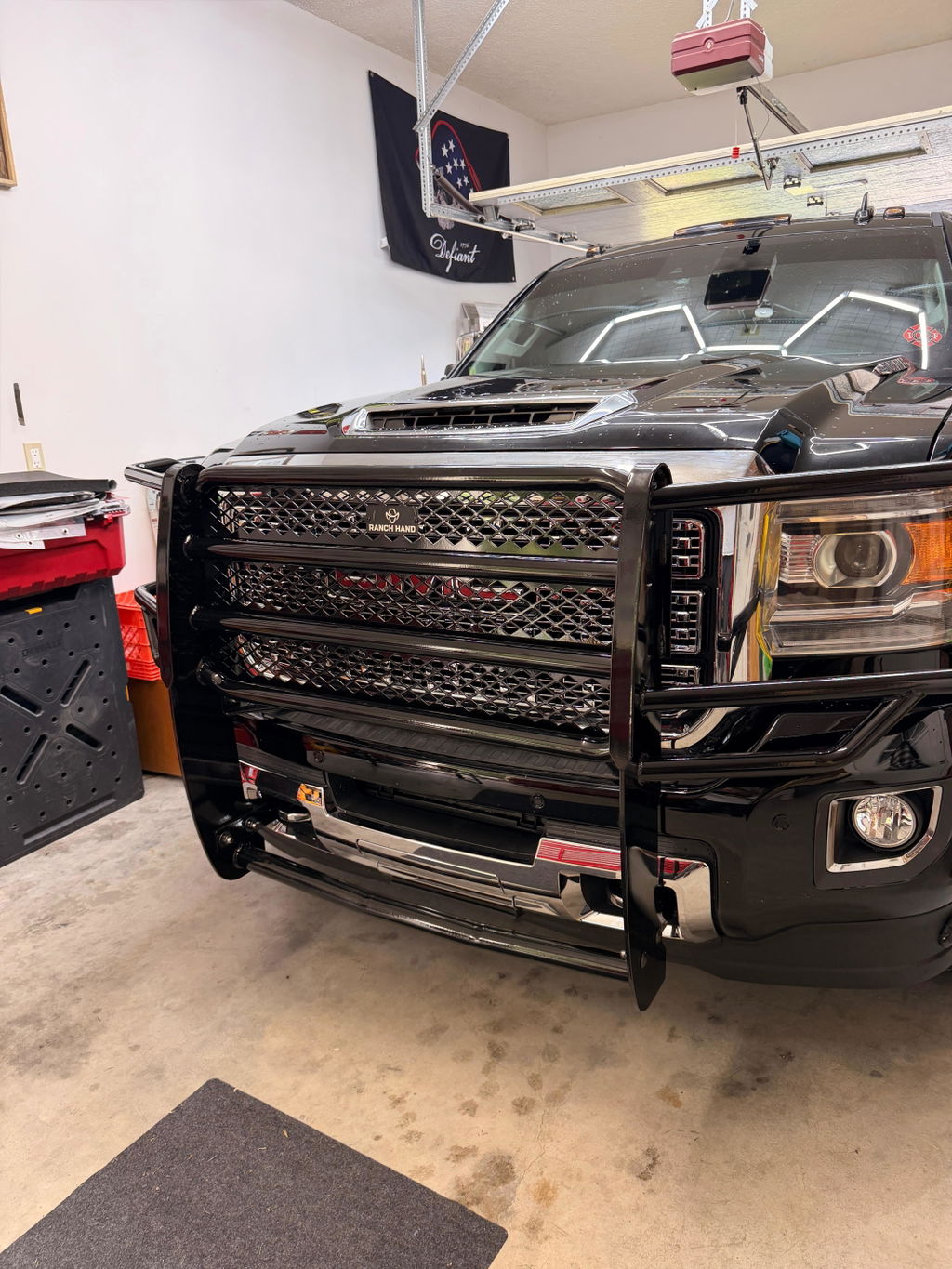
On the steel side, winch mounts are standard equipment: Steelcraft's HD Replacement line carries winch-ready versions, Warn builds its Ascent bumpers around its own winches, and the heavy steel lines from Ranch Hand and Fab Fours are made for recovery work. On the aluminum side, ICI builds winch-ready Alumilite front bumpers rated for real pulls. Match the bumper's winch rating to your winch, same as in steel.
Sensors follow the same rule: ICI's Alumilite keeps adaptive cruise control, the radar that holds your following distance on the highway, plus backup sensors and cross-traffic alerts. Steelcraft's sensor-ready Elevation front bumpers carry a CC suffix, and Ali Arc's Guardian series ships with sensor cutouts standard for newer trucks. Whatever metal you pick, check the sensor notes on the exact listing for your year and trim, because sensor packages change mid-generation.
Call it even. Pick the design that carries your winch and your sensors, and the metal follows.
Install and Shipping: What to Expect
The install plan comes down to one number, the weight. A 200 to 400 lb HD steel front is a two-person job with a floor jack under the bumper during bolt-up. A sub-50 lb Alumilite is a one-person afternoon. Either way, these are bolt-on installs to factory frame points; plan on 2 to 3 hours with ordinary hand tools. Budget extra time for sensor or fog light relocation; that depends on the design, not the metal.
Shipping runs the same road for both metals: a bumper arrives by LTL freight, which means a freight carrier delivers it strapped to a pallet, not a parcel van. Inspect the bumper before you sign the delivery slip and note any damage right there; it keeps a freight claim simple if the carrier was rough with the crate.
Verdict: aluminum for the solo garage day. Steel wants a helper and a floor jack.

When Steel Is the Right Call
- Your roads put deer, hogs, or open-range cattle in the headlights, and the bumper is there to take that hit and hold.
- The truck works around equipment, gates, and loading docks where contact is routine, not rare.
- Full grille-guard coverage is steel territory: Ranch Hand and Steelcraft built their names on it.
- Repairs need to happen in whatever town the truck is in when it happens.
- You want maximum protection per dollar and the payload math still clears.

When Aluminum Is the Right Call
- You run a diesel HD pickup and the front axle is already carrying the heavy engine; 150 fewer pounds on the nose keeps the stance and spares the springs.
- You tow or haul near your payload ceiling, where a 250 lb steel front is capacity you paid for and gave away.
- Winters mean road salt, or the truck lives near the coast, and you want the rust question closed for good.
- You want real front-end protection without suspension work after the install.
- One person needs to be able to mount, remove, and remount the bumper alone.

Steel and Aluminum Lines We Stock
The steel bench runs deep here: Ranch Hand grille-guard front bumpers, the Steelcraft HD Replacement, Fortis, and Elevation lines, Hammerhead fabricated steel, and Fab Fours across most truck platforms. Aluminum is a shorter list, because few makers build it seriously; we stock three that do: ICI Alumilite in 5052 plate on the light end, Ali Arc extruded 6061 with commercial-fleet DNA on the heavy end, and Steelcraft's Elevation AL60, the aluminum twin of the steel Elevation.
Frequently Asked Questions
Are aluminum bumpers worth it?
For the right truck, yes. An aluminum front bumper runs about half the weight of the same steel design, never shows red rust, and hands that weight back to your payload. You pay more upfront, and repairs need an aluminum-capable shop. On a heavy diesel or in a salt state, the trade usually pays for itself.
Are steel bumpers legal?
Yes. No federal rule bans steel bumpers on pickup trucks. The federal bumper standard covers passenger cars, not trucks. States set their own bumper height limits, so check your state's rule if your truck is lifted. Keep the required lights working and the plate visible, and a bolt-on steel front is road-ready.
What is the 5 mph bumper rule?
FMVSS Part 581 is the federal low-speed bumper standard for passenger cars. The 5 mph name dates to the rule's late-1970s version; since 1982 the test runs at 2.5 mph. It has never applied to pickup trucks, which is why truck bumpers, factory and aftermarket, are free to prioritize strength over low-speed cosmetics.
Why use aluminum instead of steel?
Three reasons: weight, payload, and rust. An aluminum bumper cuts 100 to 250 lb off the truck's nose against a steel twin, returns that weight to your rated capacity, and cannot rust. It suits heavy diesel front ends, trucks that tow near their limits, and any truck that spends winters on salted roads.
Do aluminum bumpers work with winches?
Winch-rated aluminum designs exist and hold their ratings. ICI builds winch-ready Alumilite front bumpers, and the winch load rides the mounting structure and its frame anchors. Match the bumper's stated winch rating to your winch and follow the supplier's mounting spec, exactly as you would with steel.
Are steel bumpers safe for airbags?
Airbags fire on deceleration readings from crash sensors, not on what the bumper is made of. A bolt-on bumper that mounts to factory frame points leaves that system in place. Follow the supplier's instructions on relocating any bumper-mounted sensors.
Does a steel bumper hurt gas mileage?
Barely, and less than the internet claims. An extra 100 to 200 lb on a truck that weighs 6,000 lb and up moves fuel economy by a rounding error. The number a steel bumper really moves is payload, which drops by the bumper's full weight. If you are buying aluminum, buy it for the axle and the rust, not the gas pump.
Which bumper lasts longer in salt states?
Aluminum. The metal itself cannot rust, so chips and scratches stay cosmetic. A quality coated steel bumper, e-coat base under powder coat, holds up too, but only with touch-up discipline: every chip down to bare steel is a future rust spot. If the truck sees salt every winter and you want to stop thinking about it, aluminum closes the question.
Pick Your Metal
Steel or aluminum, the job does not change: real protection bolted on before the day it earns its keep. Weigh your axle and your winters: hits favor steel, pounds and salt favor aluminum. Caught between an Elevation in steel and the same design in AL60, or an Alumilite against a heavy steel guard? Send your year, trim, and what the truck does for a living before you order. We pull the supplier listings for both metals and confirm what bolts up, sensors and all. Reinforce the truck. The metal is just the how.