Updated July 2026. Costs come from published shop price lists; finish specs from the supplier listings we stock.
Pick the bumper first, and the finish question follows it home: chrome shine, body-color paint, or the black powder coat that fills today's catalogs. The finish decides how the bumper wears gravel, salt, and years, not just how it photographs on day one. Finish and fitment questions land in our inbox every business day. Here is the straight call, priced from shop price lists and the spec sheets behind the bumpers we sell.
The Short Answer
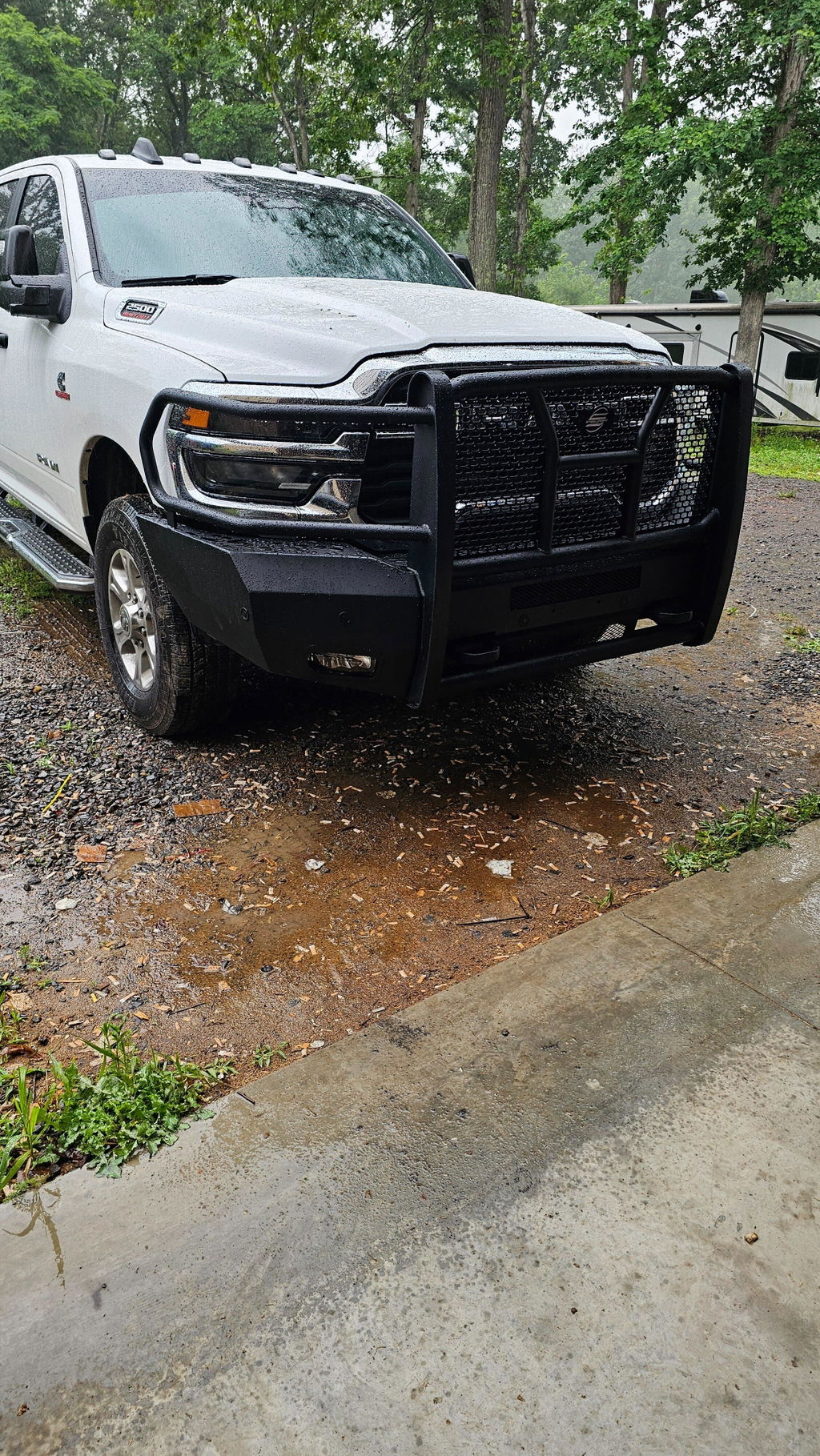
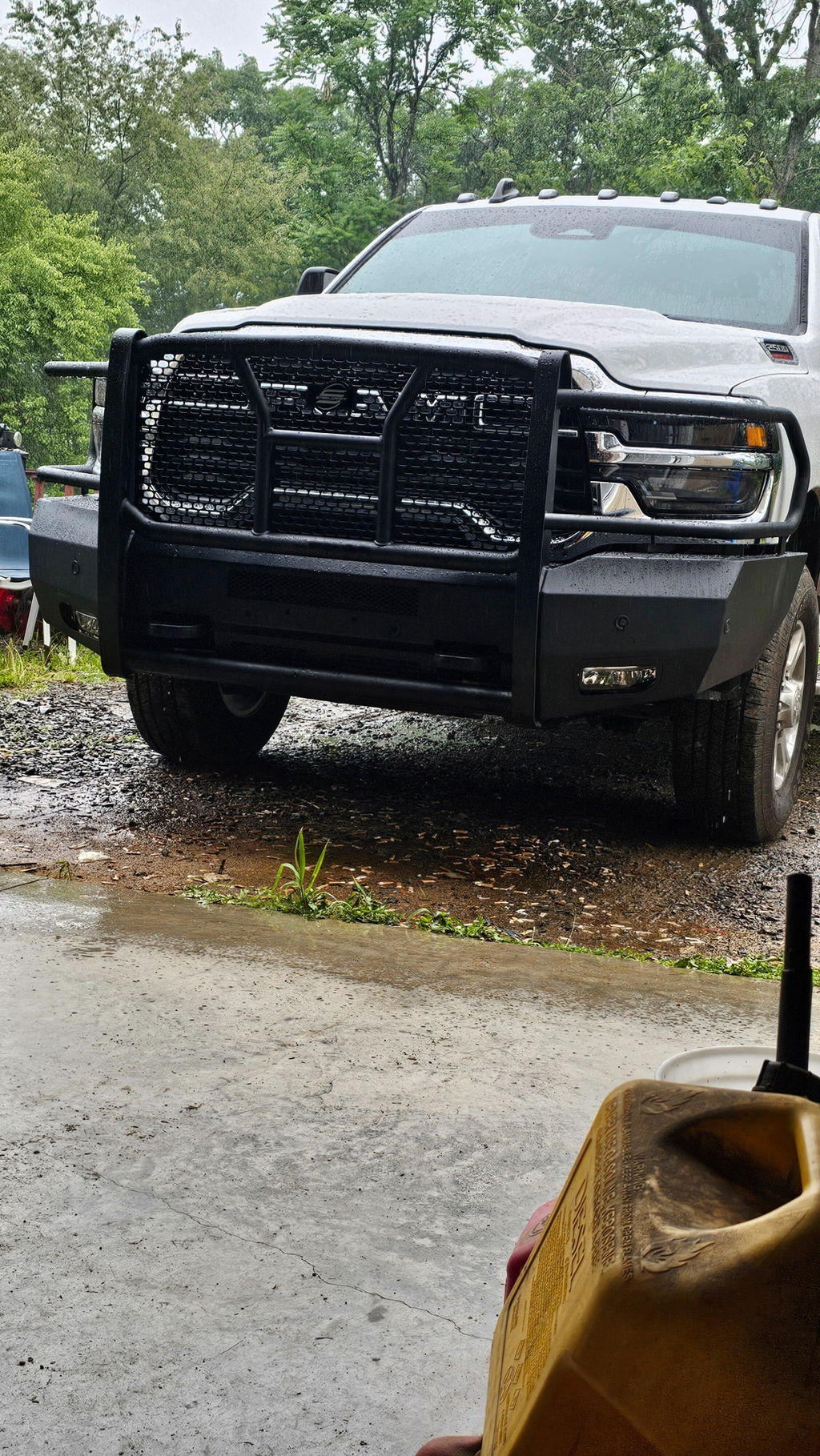
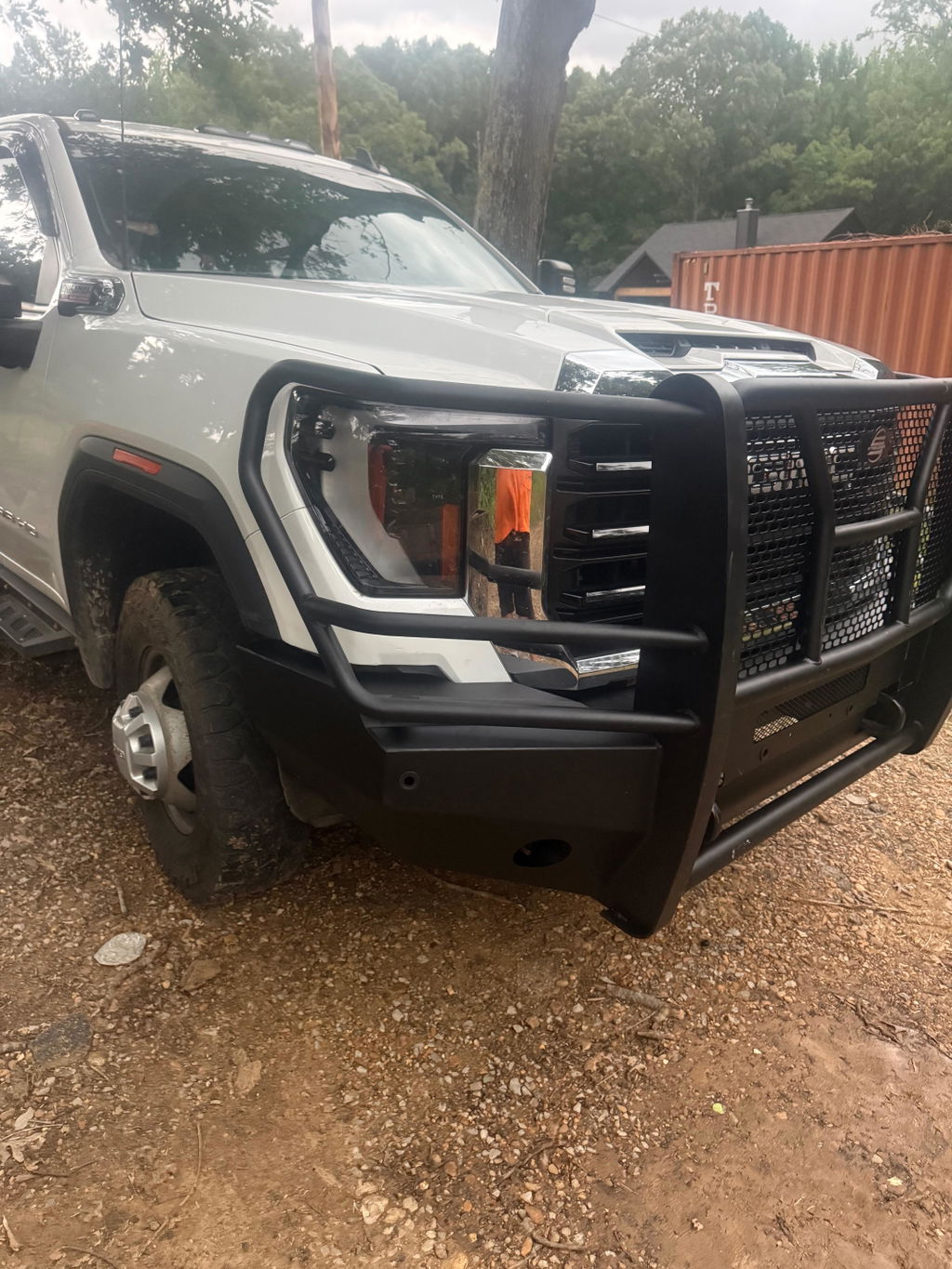
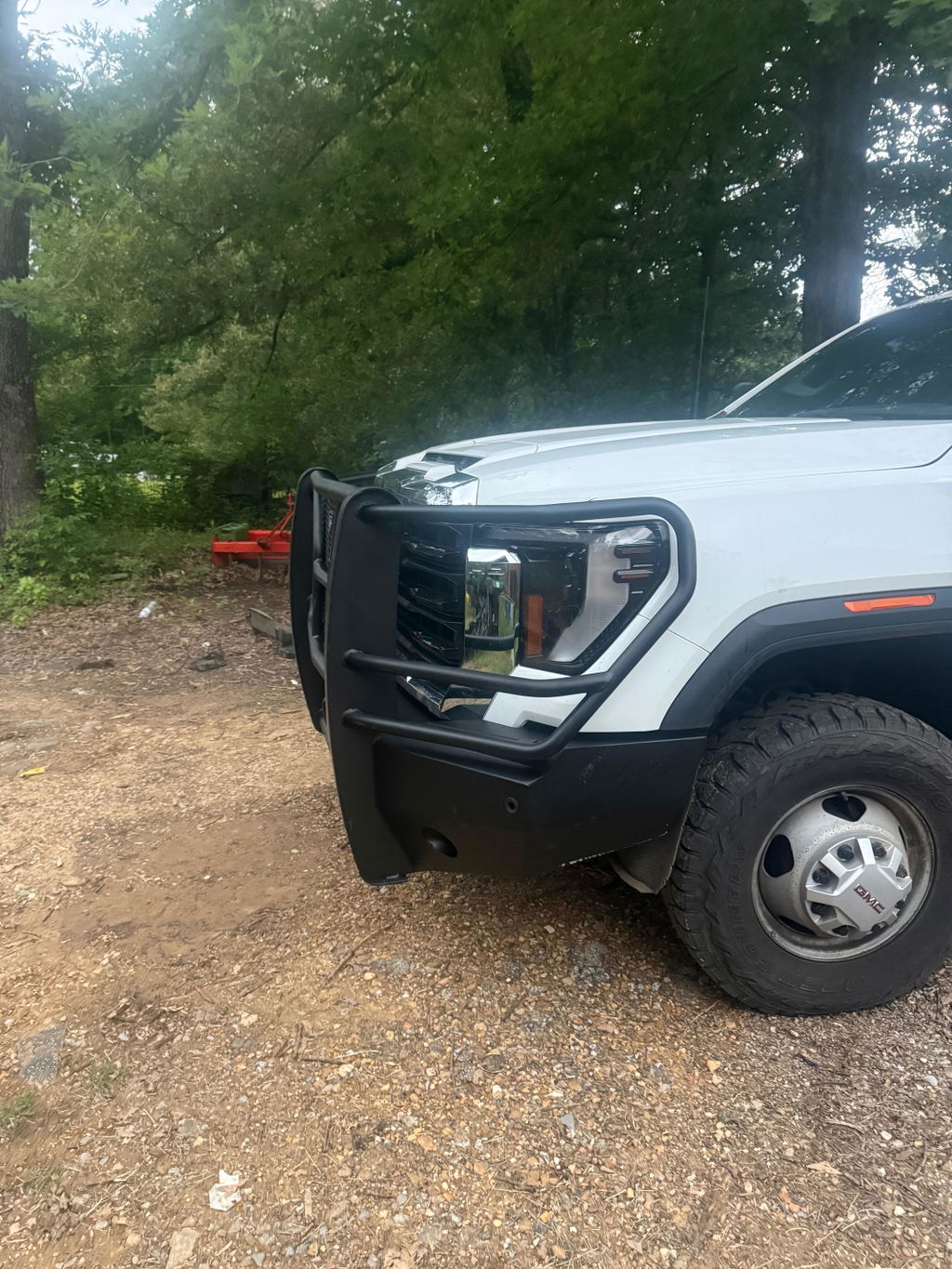
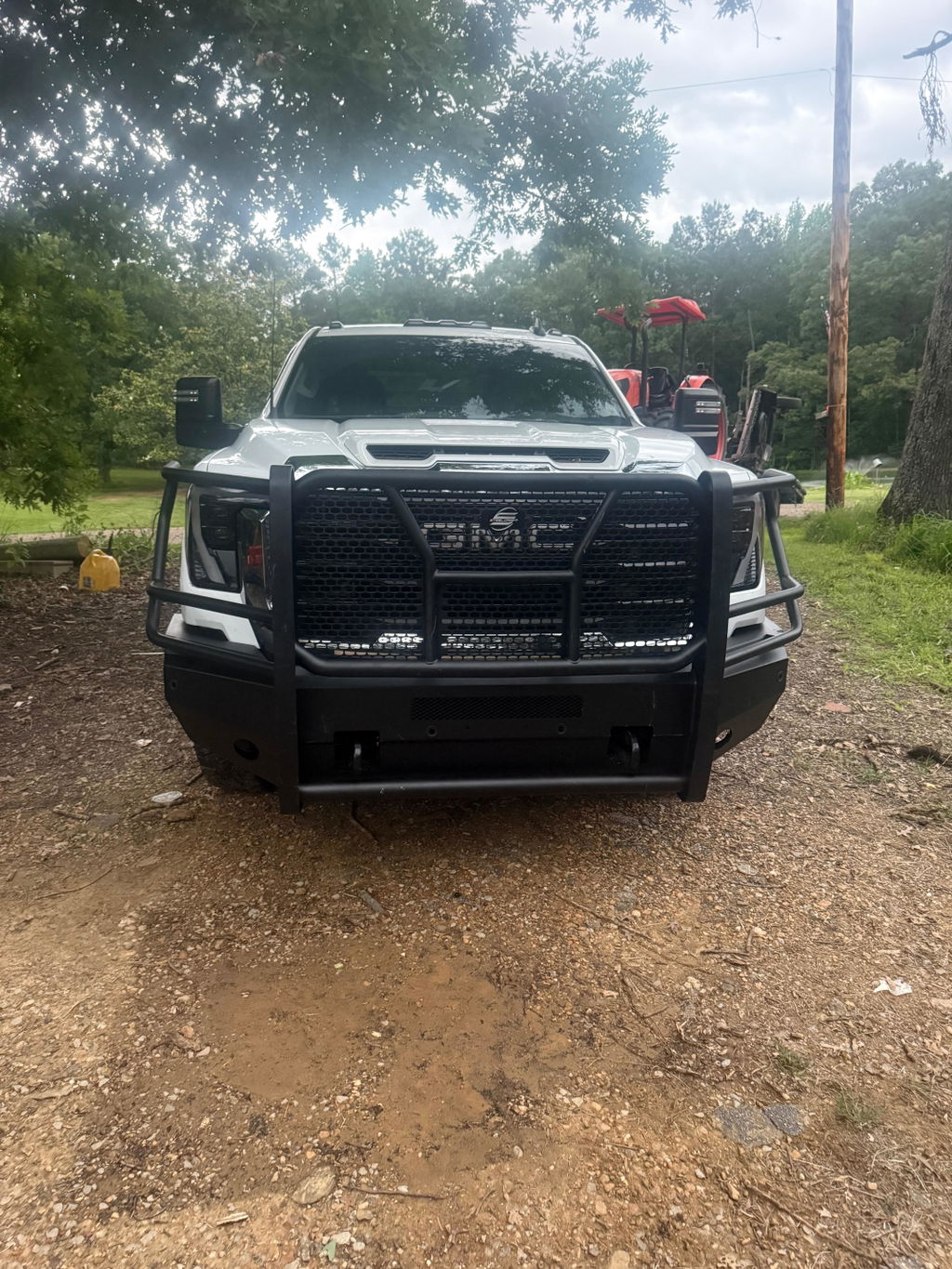
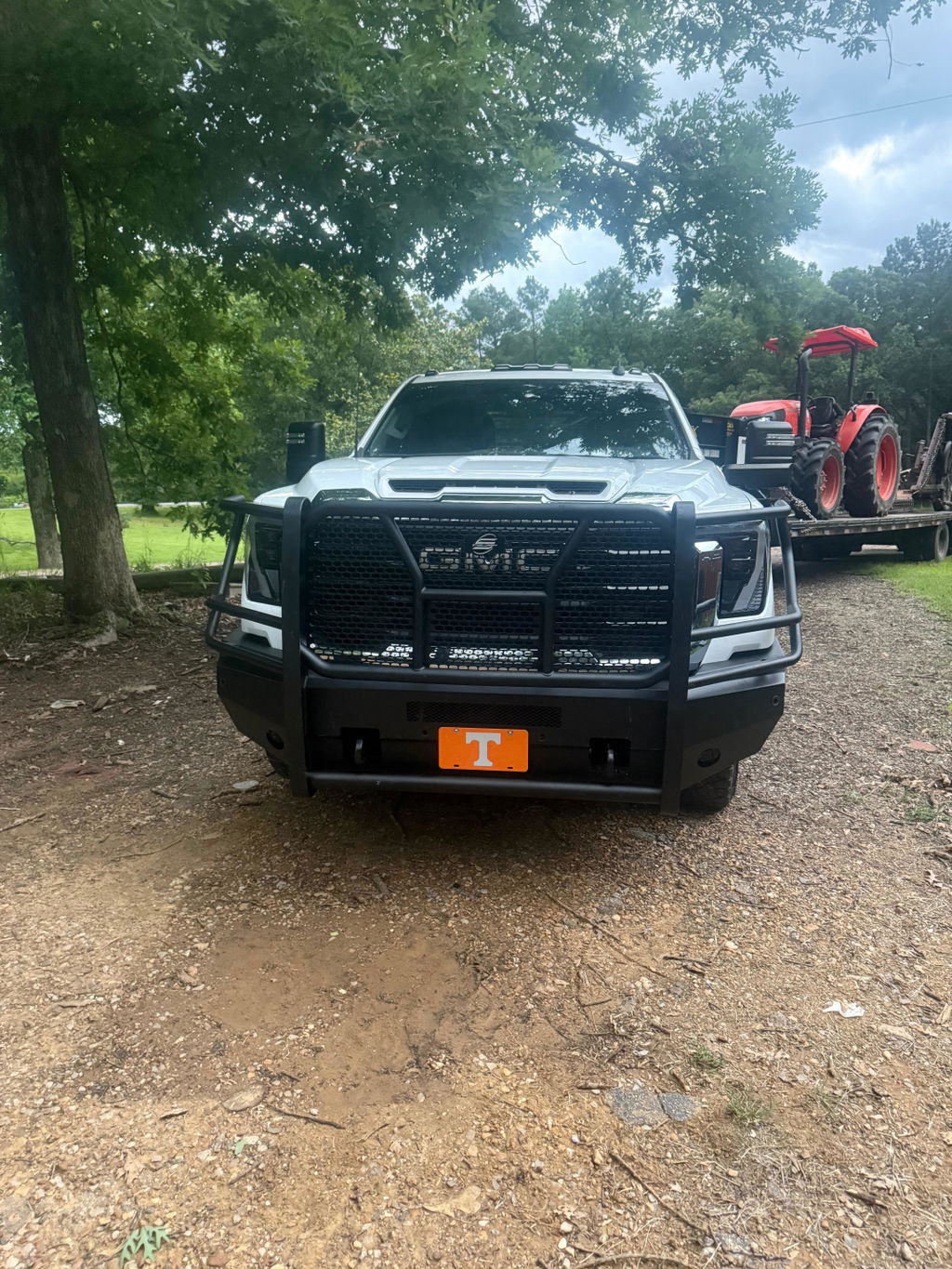
Powder coat is the working default: every heavy-duty steel bumper we stock ships powder coated from its maker. Choose paint when the bumper must match your body color. Choose chrome for a factory-bright or show finish, and budget polish time for life. Durability, rust protection, and upkeep all favor powder coat. Style stays your call.
The market already voted. Chrome now lives on factory replacement bumpers and restoration builds, paint lives in body shops, and the aftermarket armor world runs on powder coat. The sections below show why, with the costs and specs behind each finish.
Chrome vs Paint vs Powder Coat at a Glance
| What matters | Chrome | Paint | Powder coat |
|---|---|---|---|
| How it goes on | Electroplated metal layers over polished steel | Sprayed primer, color coat, clear gloss | Charged dry powder, baked into one film |
| Toughness | Hard surface, cracks and pits under impact | Thinnest film, chips first | Thick flexible film, shrugs off gravel |
| Rust defense | Good until stone chips open it, then pits from beneath | Good until it chips, then bare steel | Best of the three, often over an e-coat base layer |
| Upkeep | Regular polish to keep the shine | Touch-ups and occasional respray | Wash it, touch up deep chips |
| Cost to refinish one bumper | $350 to $1,500 on a published plating list | Labor $94 to $430 plus materials at collision shops | About $150 to $350 on published shop lists |
| Cost on a new aftermarket bumper | Not offered by any brand we stock | Rarely offered, done locally after purchase | Included, standard from the factory |
| Looks | Mirror-bright, classic truck DNA | Any factory color code | Textured or gloss black, tactical |
| Where it wins | Restorations, show builds, factory-original looks | Color-matched street builds | Work, off-road, salt country, everything daily |
Every cost above traces to a published price list or cost guide named in the sections below. The finish specs match the supplier listings we stock and each maker's published process. Confirm your exact bumper on its product page before you order.
Skip ahead. Jump to what matters most:
Which Finish Survives Daily Use?
Powder coat, and it is not close. A powder coated bumper carries a baked-on film that flexes with the steel under it, so gravel, brush, and tailgate-height hits leave marks instead of missing paint. Chrome goes on as thin metal layers bonded to the steel in a plating bath, hard but brittle: a rock strike lands as a crack, not a dent. Paint is the thinnest skin of the three and chips first on any bumper that works.
The powder process explains the gap. The bumper gets an electrostatic charge, dry powder wraps around every edge and weld, and an oven cures it into one continuous coat. Wikipedia's powder coating entry covers the chemistry; the short version is a thicker, tougher film than any sprayed liquid lays down.
The armor makers treat that film as part of the engineering. Hammerhead runs what it calls an industry-exclusive nine-step powder process over a seven-stage prep line, per its published FAQ. Fab Fours lays its powder over an epoxy primer. Addictive Desert Designs uses a dual-stage hammer black coat on every product it builds. None of them offers chrome on anything.

Verdict: for a truck that earns its keep, powder coat wins toughness outright.
What Does Each Finish Cost?
Powder coat is the cheapest of the three to have done, and on a new bumper it costs nothing extra at all. Refinishing an existing bumper is where the numbers separate, so start there.
| Refinishing route | Typical price for one bumper | Source |
|---|---|---|
| Powder coat at a coating shop | $150 standard bumper, $250 truck bumper, $350 large off-road, blasting and prep included | One shop's published automotive list |
| Repaint at a collision shop | $94 to $430 in labor plus a few hundred in materials | Collision-center cost guide |
| Rechrome at a plating shop | $350 to $1,500, quoted after inspection | One plating shop's published list |
One cost hides inside those numbers. Chrome has to come off before powder can go on, because powder will not bond to slick plating, and shops quote that stripping separately after seeing the part. The powder list above folds blasting and prep into its prices; not every shop does, so ask.
Buying new flips the math. Every heavy-duty steel bumper in our catalog ships finished from the maker, so on a fresh bumper the realistic finish budget is zero.
Verdict: powder coat is the cheapest route per bumper, and on a new bumper the finish is already in the price.
Which Finish Fights Rust Best?
Powder coat backed by an undercoat, which is how the major makers build it. Steelcraft dips every heavy-duty bumper in e-coat before the powder goes on. Westin runs the same two-stage system across its bumper line. E-coat is an electrocoat dip primer, the same rust barrier automakers have run under body paint since the 1970s. It seals the steel, and the powder layer takes the abuse.
Chrome protects differently, and fails differently. The plating stack is hard metal over polished steel, and it holds off salt while it stays sealed. But stone chips and flex open hairline cracks, moisture creeps under, and the bumper pits from beneath the shine. Anyone who has owned a winter-driven chrome bumper knows the bubble line along the bottom edge.
Paint seals fine on day one and simply has the least material in the fight. One deep chip on a steel bumper is bare metal by the weekend.
The warranty pages tell the same story. ICI covers the finish on its steel line for 90 days. Go Rhino backs its textured powder for five years. Both figures come from the makers' published warranties. On its aluminum line, ICI stretches finish coverage to two years, because the metal under the coat decides what a chip costs. If rust is the whole question for you, the steel vs aluminum comparison goes deeper.
Verdict: two-stage e-coat plus powder is the strongest rust defense you can put over steel.
How Much Upkeep Does Each Finish Need?
Almost none for powder coat: wash it with the truck and touch up deep chips before winter. Textured black also hides the scuffs that would glare on gloss.
Body-color paint asks more. Chips collect on the leading edge, and each one is a touch-up pen or a respray decision. On a work truck that reality arrives fast.
Chrome asks the most. Keeping plating bright means regular polish, prompt attention to any chip, and real vigilance in salt country. Skip a season and the pitting starts, and pitted chrome cannot be buffed back; it goes to the plating shop or stays scarred.
One habit pays across all three: when a bumper arrives by freight, inspect the finish before signing. Carriers move these on pallets, and a documented scuff at delivery is a claim, while one found later is your problem. Our OEM vs aftermarket guide covers what else changes the day a bumper shows up on a truck.
Verdict: powder coat for wash-and-work, chrome only if polishing is part of the hobby.
Which Finish Looks Right on Your Truck?
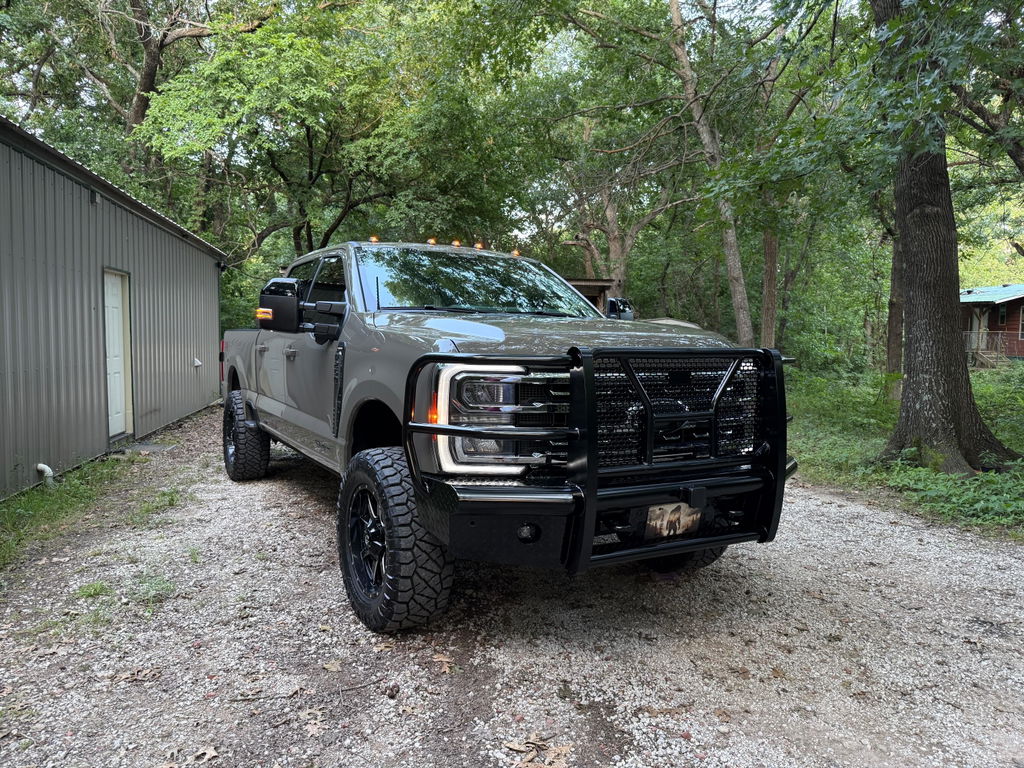
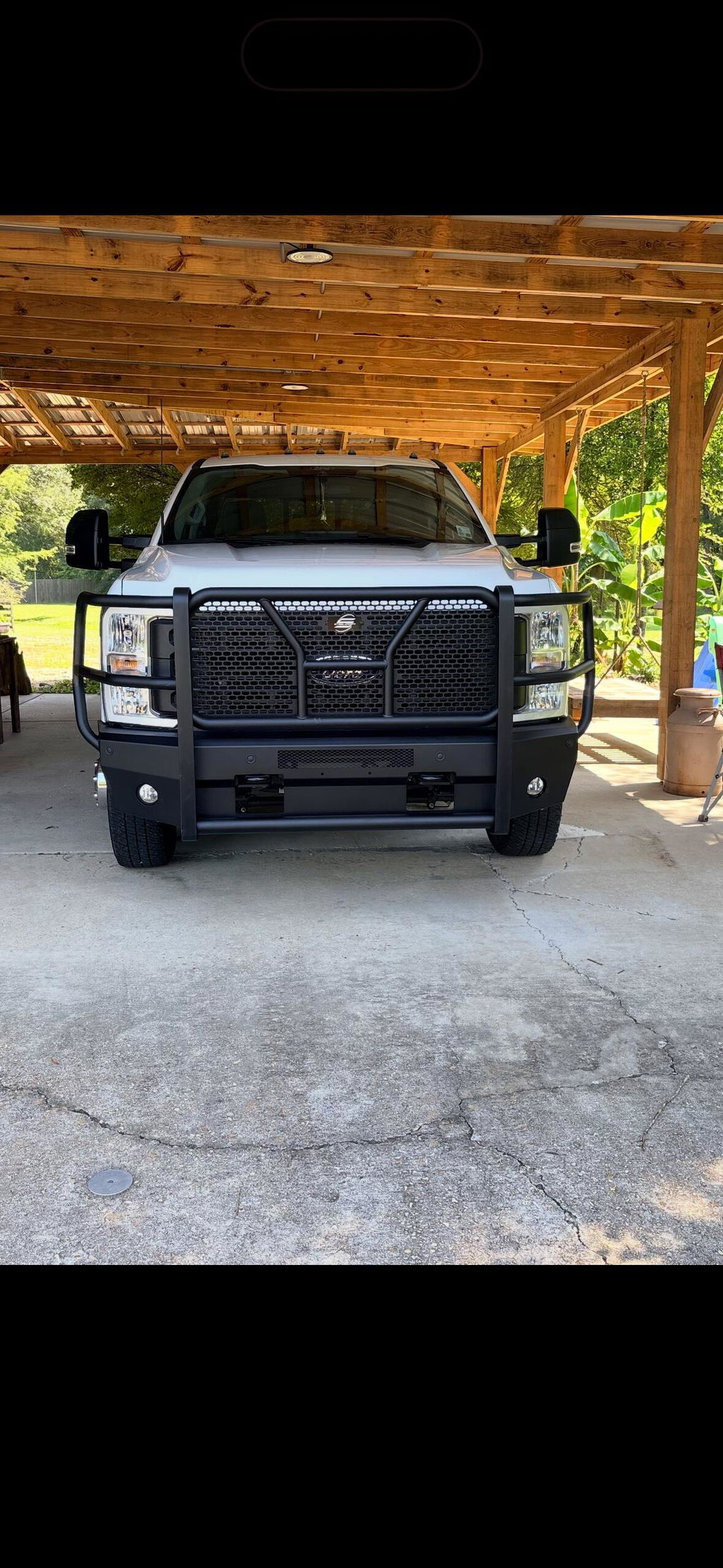
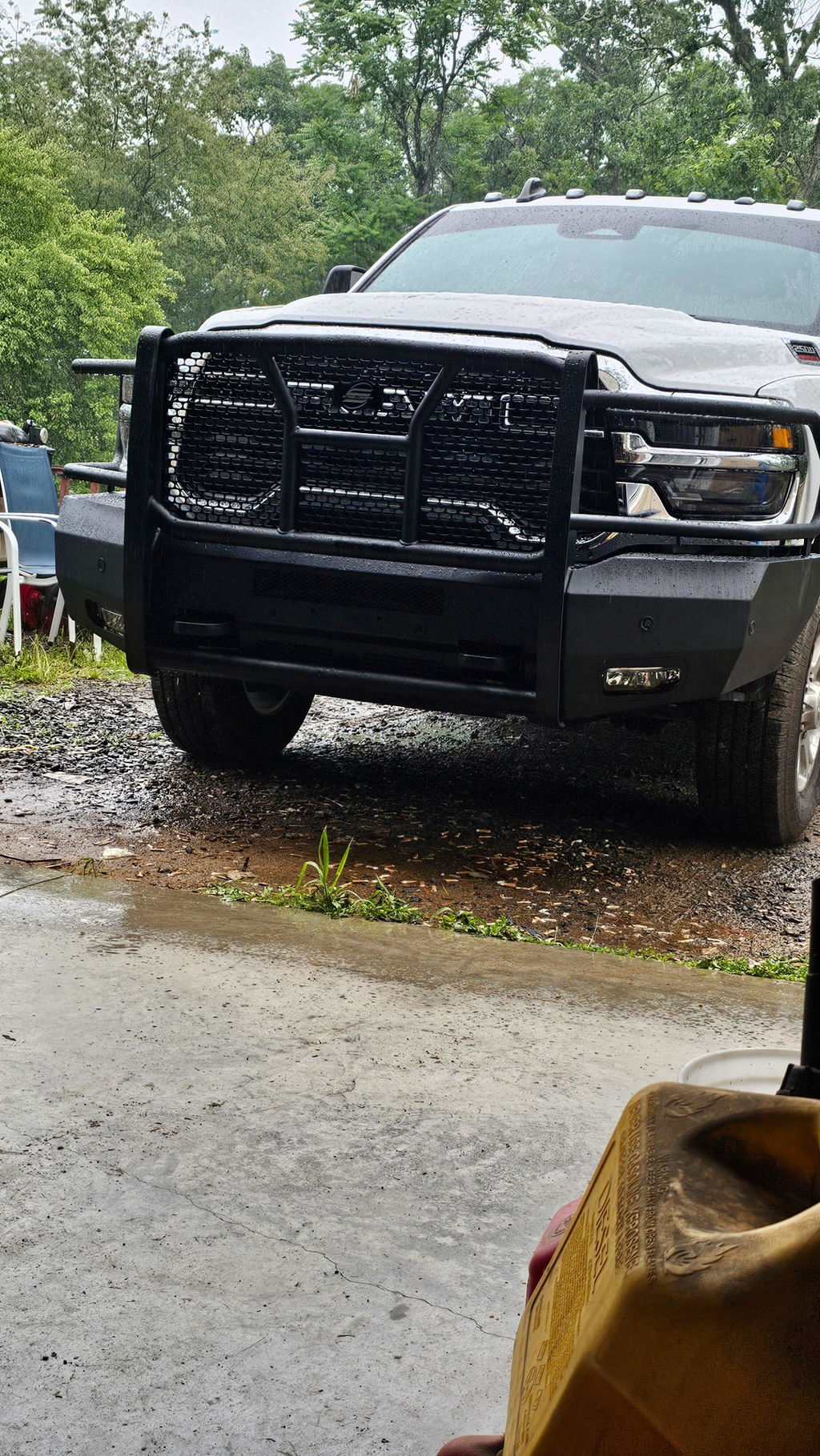
This is the one call the spec sheet cannot make. Chrome reads classic and factory-top-trim, and on a restored square-body or a show build nothing else lands the same. Paint disappears into the body line: a color-matched bumper looks born on the truck, which is exactly the goal on a clean street build. Powder's textured black is the working look, and it took over the aftermarket for a reason: it matches the hardware it protects.
There is a fourth road to a bright front end that skips plating entirely. Ali Arc builds its bumpers from polished 6061 aluminum, so the shine is the metal itself. Nothing on it can chip or red-rust, though raw aluminum does dull toward satin and wants an occasional polish to stay mirror-close. That is how fleets and salt-state trucks keep a bright front end now.

Side by side with chrome, polished aluminum reads a touch warmer and grayer than chrome's blue-white mirror. On the road nobody clocks the difference; in the driveway you will.
Can You Still Get a Chrome Bumper?
New chrome is getting scarce, and regulation is now shrinking it further. In 2023 the California Air Resources Board voted to phase out hexavalent chromium, the toxic chemistry behind traditional decorative plating, the process that puts chrome on bumpers and household trim. CARB gives decorative platers a 2027 or 2030 deadline to switch; industrial hard chrome gets until 2039. California holds the densest cluster of plating shops in the country, more than 110 permitted facilities by CARB's own count, and about 70 percent sit in Southern California. The deadline moves the whole trade.
For heavy-duty protection the regulation only formalizes where the market already lives. Across every steel bumper brand we stock, from Ranch Hand to Go Rhino, not one offers a chrome-plated heavy-duty bumper. Powder coat is the factory standard on all of them. Where chrome still lives: factory-style replacement bumpers for older trucks through dealer and collision channels, and the restoration plating trade for classics.
Verdict: on a new heavy-duty bumper this dimension decided itself years ago; powder coat is what ships.
When Chrome Is the Right Call
- You are restoring a truck that wore chrome from the factory, and originality is the point.
- The truck is a show build where mirror brightness is the finish line.
- You are replacing a factory chrome bumper on an older truck and want the stock look back.
- Polish time reads as garage time to you.
When Paint Is the Right Call
- The build brief is one unbroken body color, bumper included.
- You bought a bumper you love and a local shop can match your factory paint code.
- The truck lives on pavement, where chips arrive slowly enough for touch-ups to keep up.
- Resale in your market rewards the factory-look front end.
When Powder Coat Is the Right Call
- The truck works: job sites, ranch roads, gravel, brush, boat ramps.
- You drive salted winter roads and want the strongest coat over the steel, ideally with an e-coat base under it.
- You want zero finishing invoices after checkout, because the bumper arrives done.
- Upkeep has to fit in a wash bay.
- The build calls for the tactical black that matches racks, steps, and steel wheels.
The Finishes on the Bumpers We Stock
Our catalog runs eleven-plus bumper brands, and the finish column reads almost identically down the page: baked powder over prepped steel. Ranch Hand powder coats its fully welded Texas steel. Steelcraft and Westin both lay powder over an e-coat dip. Go Rhino backs its textured black with a published five-year finish warranty. ICI runs a three-stage matte black on its steel line and a black powder coat on its Alumilite aluminum. Ali Arc is the deliberate exception: polished aluminum, no coating at all, bright by construction.
Chrome is the one finish you will not find here. None of our suppliers offers it on a heavy-duty bumper.
Frequently Asked Questions
Can you powder coat a chrome bumper?
Yes, but only after the chrome is stripped or blasted off. Powder will not bond to slick plating, so shops blast down to clean metal first and quote that removal separately after seeing the part. Once the surface is bare and textured, a chrome-era bumper takes powder like any other steel.
Is powder coating better than paint on a truck bumper?
For protection, yes. Powder cures into a thicker, more flexible film than sprayed paint, so it resists chips and scratches that leave painted bumpers touched up every season. Paint keeps one advantage powder cannot match at a body shop: an exact factory color code on a street build.
How long does powder coat last on a bumper?
Years of daily use, and the base layer decides the ceiling. Finish warranties across the brands we stock run from 90 days up to five years. The strongest coverage sits on two-stage systems that put e-coat or primer under the powder. Chips left bare through winters are what shorten the life, so touch them up.
How much does it cost to rechrome a truck bumper?
Plating shops quote each bumper after inspection; one shop's published automotive list runs bumpers at $350 to $1,500. Straightening dents ahead of plating pushes the bill higher; restoration owners, the CorvetteForum crowd among them, report pair estimates past $3,000 once straightening is involved. Supply is tightening as regulation pushes shops out of the chemistry.
Is chrome plating being banned?
In California, effectively yes for the traditional process. The state's air board voted in 2023 to phase out hexavalent chromium, with decorative platers switching by 2027 or 2030 and industrial hard chrome ending by 2039. Other finishes stay legal, and so does trivalent chrome, a lower-toxicity plating bath that delivers a similar shine. The traditional plating trade, though, is shrinking.
Does powder coating stop rust?
It blocks rust as long as the film stays sealed, and the best systems double the defense with an e-coat dip under the powder. A deep chip that reaches steel will still rust if ignored, which is why the touch-up habit matters. Over aluminum the same powder simply has nothing underneath that can turn red.
Can you paint over a powder coated bumper?
Yes. A body shop scuffs the powder, applies an adhesion primer, and lays color and clear gloss over it, which is the standard route to a color-matched bumper. The powder underneath keeps working as a sealed foundation, so you lose none of the protection by painting over it.
Do aftermarket bumpers come already finished?
Yes. Each heavy-duty steel bumper in our catalog arrives powder coated by its maker, and several brands lay an e-coat base under it first. The finish work is already in the listing price, with nothing left to schedule at a local shop. Polished aluminum lines arrive bright with no coating at all.
Settle the Finish Before It Ships
The finish is the easiest bumper decision to get right, because the industry already made it. Steel armor arrives powder coated; the other finishes are style choices you opt into. Restoring chrome, matching paint, or bolting on textured black, make the call once and let the bumper do its job. Not sure how a finish holds up where you drive, or whether a listing carries the e-coat base? Before you commit, tell us the truck, the winters it works through, and the listing you are weighing. We pull the supplier sheet, verify the finish system along with the fitment, and give you the answer in plain terms. Reinforce the truck. Keep the shine optional.